- Management
Strengths and Limitations of Agile versus Waterfall Project Management
- By Diego Rivera
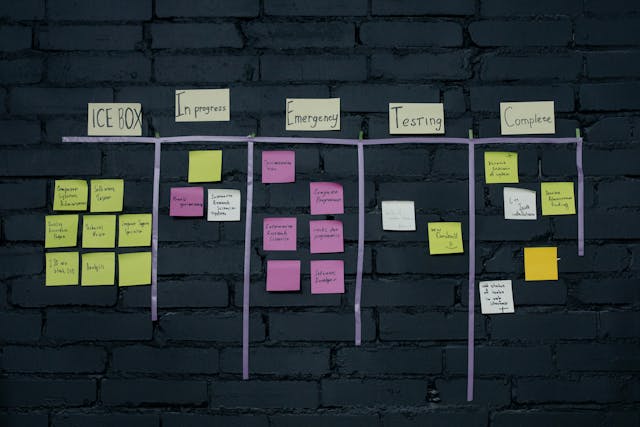
Understanding Agile and Waterfall Project Management
In the realm of project management, Agile and Waterfall stand out as two of the most widely used methodologies. Each has its own set of principles, practices, and philosophies that guide how projects are planned, executed, and completed. Understanding the differences between these approaches is crucial for project managers looking to choose the best path for their projects.
Agile Project Management
Agile project management is characterized by its flexibility and iterative nature. Rooted in the Agile Manifesto, it emphasizes collaboration, customer feedback, and small, rapid releases. This approach is often used in software development but can be applied to other fields as well.
The core components of Agile include:
- Iterative Development: Projects are broken down into smaller segments called sprints or iterations, allowing for frequent reassessment and adaptation.
- Collaboration: Encourages close cooperation among team members and stakeholders through regular meetings like daily stand-ups and sprint reviews.
- Customer Feedback: Constant feedback from customers ensures the product is aligned with user needs and market demands.
Waterfall Project Management
Waterfall project management is a linear approach that follows a sequential process. It is based on thorough upfront planning and clear documentation before the execution phase begins. Each stage must be completed before moving on to the next.
Key aspects of Waterfall include:
- Structured Phases: Typically involves stages like requirement gathering, design, implementation, testing, deployment, and maintenance.
- Clear Documentation: Extensive documentation at each stage provides a comprehensive record of project requirements, plans, and progress.
- Predictability: Due to its linear nature, it provides a clear timeline and budget estimation.
Strengths of Agile Methodology
Agile's strengths lie in its adaptability and responsiveness to change. Here are some benefits:
- Flexibility: Agile allows for changes at any stage, enabling teams to pivot or refine products in response to new insights or market shifts.
- Customer-Centric: Continuous feedback loops with customers lead to products that better meet user needs.
- Team Empowerment: Agile encourages self-organizing teams that make decisions collaboratively, enhancing motivation and innovation.
A concrete example is a tech startup developing an app that regularly incorporates user feedback into weekly sprints, refining features based on real-world use cases.
Limitations of Agile Methodology
Despite its advantages, Agile does have limitations:
- Lack of Predictability: Constant changes can lead to scope creep and make timelines less predictable.
- Requires High Engagement: Success depends on regular participation from team members and stakeholders, which can be resource-intensive.
- Difficult to Scale: Agile can become challenging to manage in very large teams or projects without modifications like scaling frameworks (e.g., SAFe).
Strengths of Waterfall Methodology
Waterfall offers clarity and control over complex projects with its structured approach:
- Clarity in Planning: A clear roadmap and deliverables provide a solid foundation for project execution.
- Well-Defined Stages: Each phase has specific objectives, minimizing ambiguity in roles and responsibilities.
- Easier Documentation Management: Comprehensive documentation at each stage simplifies project tracking and auditing processes.
An example is a construction project where detailed upfront planning mitigates risks associated with building codes and regulations.
Limitations of Waterfall Methodology
The Waterfall approach is not without its drawbacks:
- Lack of Flexibility: Changes are difficult to implement once a phase is complete, which can lead to issues if initial requirements were not accurately captured.
- No Early Deliverables: Customers may need to wait until late in the project cycle to see results, which could lead to dissatisfaction if expectations are not met.
Choosing Between Agile and Waterfall
The decision between Agile and Waterfall largely depends on the project type and industry. Here are some considerations:
- If a project requires high adaptability due to changing market conditions or user needs, Agile might be more suitable.
- If precise requirements are known from the start and regulatory compliance is critical, Waterfall could provide the needed structure.
The Hybrid Approach: Best of Both Worlds
A hybrid approach combines elements of both methodologies to suit complex projects. For instance, an organization might use Waterfall for initial planning phases followed by Agile practices for implementation to allow flexibility as new information emerges.
Practical Tips for Implementing Hybrid Strategies
- Create a robust initial plan using Waterfall principles, then transition to Agile sprints for development cycles.
- Use Waterfall documentation methods alongside Agile retrospectives to maintain clarity while encouraging iterative improvements.
This approach can benefit industries like product development where regulatory constraints require documentation but market dynamics demand agility.
Related
- Entrepreneurship
The Role of Intellectual Property in Startup Success Strategies
The Importance of Intellectual Property for Startups In today's competitive business landscape, intellectual property (IP) has become a cruc…
- Entrepreneurship
Understanding the Balance Between Risk and Reward in Business Scaling Strategies
The Delicate Art of Scaling a Startup Scaling a startup is a double-edged sword. On one side, there is the allure of rapid growth and market…
- Productivity
Strategies for Integrating Time Management into Team Workflows Successfully
Effective Time Management Techniques for Teams In the realm of business and career, mastering time management is essential for any team aimi…

- Interviews
How to Develop Customized Interview Questions for Remote Candidates
Understanding the Unique Challenges of Remote Work Remote work introduces a distinct set of challenges and opportunities that necessitate a…

- Interviews
benefits and challenges of different interview styles for recruiters
Understanding Interview Styles: Structured vs. Unstructured Recruiters play a pivotal role in shaping the future of an organization by selec…

- Leadership
Ways to Build Stronger Team Accountability Through Leadership Techniques
Understanding Accountability in Team Dynamics Accountability is a crucial element that enables teams to function optimally. It ensures that…