
- Marketing
How Companies Use Data to Tailor Marketing Campaigns Effectively
- By Amelia Clark
Leveraging Data for Marketing Success
In the modern business landscape, data is not just a byproduct of operations but a critical component of strategic marketing initiatives. Companies like Starbucks have set a benchmark by utilizing data analytics to transform raw data into actionable insights that drive customer engagement through personalized marketing campaigns.
The Power of Personalized Marketing
Personalized marketing involves creating customized experiences for consumers by leveraging data collected from various sources. The goal is to deliver relevant content that resonates with individual preferences, enhancing overall customer satisfaction and loyalty. In a competitive market, personalization can be a game-changer, setting brands apart from their rivals.
Case Study: Starbucks' Use of Data
Starbucks provides an exemplary case of how effectively a brand can utilize data to cater to its customers. By analyzing purchase history, location, and time of day, Starbucks creates tailored offers for its customers. For example, if a customer frequently purchases lattes in the morning, Starbucks might send them a promotion for an afternoon treat during lunch hours.
This level of personalization is made possible through the Starbucks mobile app, which acts as a conduit for collecting and processing customer data. The app tracks purchase patterns, suggesting promotions that align with individual buying behaviors, ultimately driving sales and improving customer experience.
Data Collection and Analysis Techniques
Companies today have access to various data collection tools and techniques that can be employed to gather meaningful insights:
- Customer Surveys: Direct feedback from customers can provide insights into their preferences and pain points.
- Social Media Analytics: Platforms like Facebook and Instagram offer in-depth analytics about audience engagement and interests.
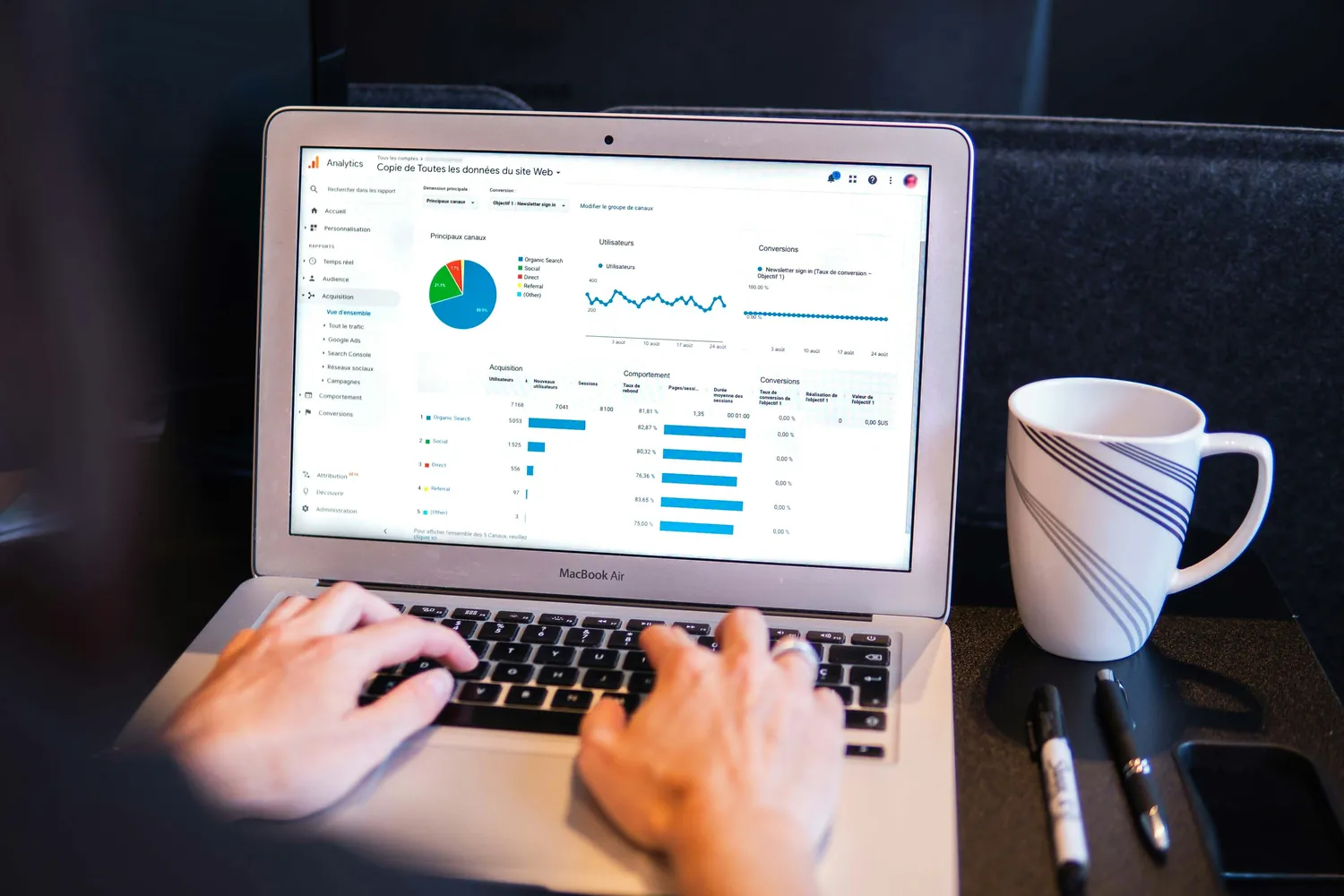
- Website Analytics: Tools like Google Analytics track user behavior on company websites, offering insights into which products or services attract the most attention.
Once collected, this data must be analyzed to identify patterns and trends. Businesses often utilize sophisticated analytics software or partner with data analysis firms to interpret this information.
Creating Targeted Campaigns
After gathering insights from data analysis, companies can begin crafting targeted marketing campaigns. This involves:
- Segmentation: Dividing the customer base into segments based on demographics, purchase history, and behavior.
- Message Crafting: Developing specific messages that speak directly to each segment’s needs and interests.
- Channel Selection: Choosing the appropriate channels (email, social media, in-app notifications) to deliver the message.
By following these steps, companies ensure that their marketing efforts are not only reaching the right audience but also resonating with them on a personal level.
Ensuring Privacy and Compliance
While leveraging customer data is beneficial, it is crucial for companies to handle this information responsibly. Compliance with privacy laws such as the GDPR in Europe and CCPA in California is mandatory. Companies must obtain explicit consent from customers to use their data and provide transparency about how it will be used.
Implementing Ethical Data Practices
Companies can build trust with their customers by implementing ethical data practices:
- Transparency: Clearly communicate what data is being collected and why.
- Opt-In Policies: Allow customers to choose what data they wish to share.
- Data Security: Implement robust security measures to protect customer information from breaches.
These practices not only ensure compliance but also foster trust and loyalty among customers.
The Future of Data-Driven Marketing
The future of marketing lies in even more refined personalization powered by advances in technology such as artificial intelligence and machine learning. These technologies enable real-time data processing, allowing marketers to adjust campaigns dynamically based on current trends and behaviors.
As companies continue to innovate, the integration of emerging technologies will likely enhance their ability to predict customer needs and preferences with greater accuracy. This could include predictive analytics that forecast future purchasing behavior or virtual assistants that provide personalized shopping experiences.
A Practical Workflow for Companies
For businesses looking to implement or refine their data-driven marketing strategies, here is a practical workflow:
- Identify Objectives: Define clear marketing objectives that align with your business goals.
- Select Tools: Choose appropriate data collection and analysis tools that fit your needs.
- Data Gathering: Collect data ethically from diverse sources such as online platforms, in-store transactions, and customer feedback.
- Data Analysis: Employ analytics tools or partners to extract actionable insights from the collected data.
- Create Campaigns: Develop personalized marketing campaigns based on insights gained from your analysis.
- Monitor Results: Continuously monitor the performance of your campaigns to assess effectiveness and make necessary adjustments.
This approach ensures that your marketing efforts are focused, effective, and adaptable to changing consumer behaviors.
Related
- Entrepreneurship
The Role of Intellectual Property in Startup Success Strategies
The Importance of Intellectual Property for Startups In today's competitive business landscape, intellectual property (IP) has become a cruc…
- Entrepreneurship
Understanding the Balance Between Risk and Reward in Business Scaling Strategies
The Delicate Art of Scaling a Startup Scaling a startup is a double-edged sword. On one side, there is the allure of rapid growth and market…
- Productivity
Strategies for Integrating Time Management into Team Workflows Successfully
Effective Time Management Techniques for Teams In the realm of business and career, mastering time management is essential for any team aimi…

- Interviews
How to Develop Customized Interview Questions for Remote Candidates
Understanding the Unique Challenges of Remote Work Remote work introduces a distinct set of challenges and opportunities that necessitate a…

- Interviews
benefits and challenges of different interview styles for recruiters
Understanding Interview Styles: Structured vs. Unstructured Recruiters play a pivotal role in shaping the future of an organization by selec…

- Leadership
Ways to Build Stronger Team Accountability Through Leadership Techniques
Understanding Accountability in Team Dynamics Accountability is a crucial element that enables teams to function optimally. It ensures that…