
- Marketing
Strategies for Increasing Customer Engagement via Loyalty Initiatives
- By Charlotte Baker
Understanding the Importance of Customer Loyalty
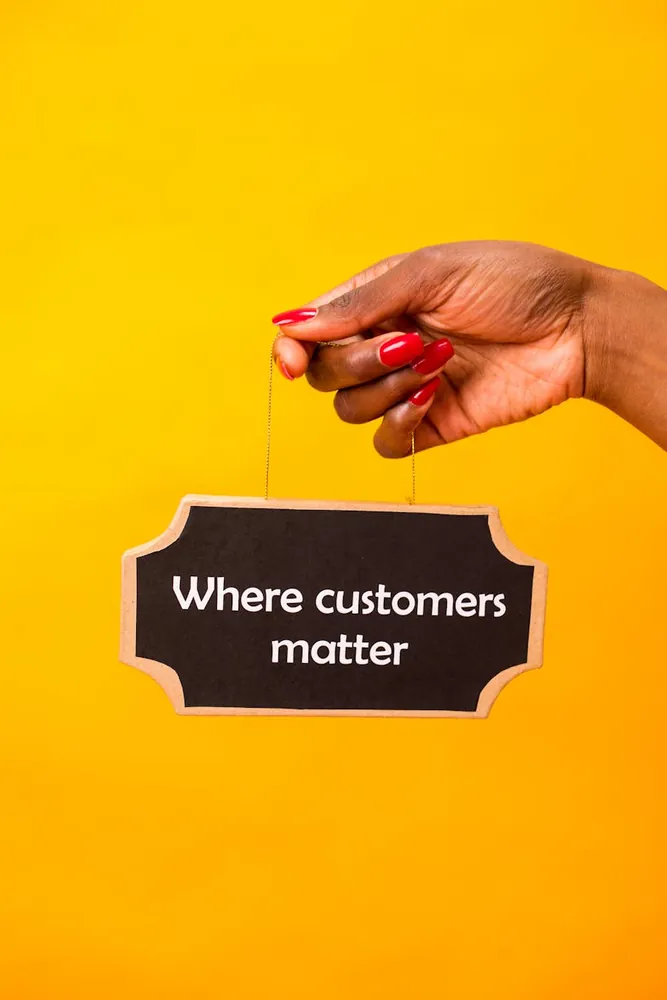
In today's competitive business landscape, customer loyalty is more crucial than ever. A robust loyalty program not only helps in retaining customers but also turns them into advocates for your brand. By fostering a deeper connection with customers, businesses can enjoy increased sales, better customer satisfaction, and long-term sustainability.
Designing an Effective Loyalty Program
Creating a loyalty program requires strategic planning and execution. Here are some key steps to consider:
1. Define Your Objectives
Start by identifying what you aim to achieve with your loyalty program. Is it to increase repeat purchases, boost customer retention, or enhance brand advocacy? Clear objectives will guide the design and execution of your program.
2. Know Your Customers
Understanding your customer's needs and preferences is fundamental. Use data analytics to glean insights from purchasing behaviors and feedback to tailor your loyalty initiatives.
3. Choose the Right Rewards
Offer rewards that resonate with your customer base. This could range from discounts and freebies to exclusive access to events or early product releases. The key is to ensure these rewards are perceived as valuable by your customers.
- Tangible Rewards: Discounts, free products, or cash back.
- Experiential Rewards: Access to special events, personalized experiences.
- Exclusive Rewards: VIP treatment, early access to new products.
Implementing Your Loyalty Program
1. Select the Right Platform
Consider digital platforms that can streamline your loyalty program operations. Look for software solutions that offer features such as point tracking, reward redemption, and customer analytics.
2. Communicate Clearly
Ensure your customers understand the benefits of joining your loyalty program. Use clear communication channels to explain how they can earn and redeem rewards.
3. Monitor and Adapt
Regularly assess the performance of your loyalty initiatives through KPIs like redemption rates, customer satisfaction scores, and retention rates. Be prepared to tweak the program based on this feedback to better meet customer expectations.
Case Study: A Local Coffee Shop's Success Story
Consider a small coffee shop that successfully implemented a loyalty card system. By offering a free coffee after every ten purchases, the shop increased its customer retention rate by 25% within six months. They also introduced a mobile app feature allowing customers to track their progress, which improved engagement further.
Practical Tips for Enhancing Engagement
- Create a Community: Build a sense of belonging among customers by hosting events or creating online groups for loyal members.
- Personalize Experiences: Use data to offer personalized recommendations and rewards tailored to individual customer preferences.
- Leverage Social Media: Encourage customers to share their experiences on social media, offering incentives for reviews or referrals.
Avoiding Common Pitfalls
A poorly designed loyalty program can lead to dissatisfaction rather than engagement. Avoid these common pitfalls:
- Overcomplicating the Program: Ensure the program is easy to understand and participate in.
- Ineffective Rewards: Regularly review your reward offerings to ensure they remain desirable and relevant to your customers.
The Future of Loyalty Programs
The future of customer loyalty lies in personalization and technology. As AI and machine learning continue to evolve, they offer unprecedented opportunities to tailor programs even more closely to individual needs. Blockchain technology can also offer enhanced security and transparency in loyalty systems.
By continually innovating and adapting your loyalty initiatives, you can foster deeper connections with your customers, ensuring ongoing business success.
Related
- Entrepreneurship
The Role of Intellectual Property in Startup Success Strategies
The Importance of Intellectual Property for Startups In today's competitive business landscape, intellectual property (IP) has become a cruc…

- Entrepreneurship
Understanding the Balance Between Risk and Reward in Business Scaling Strategies
The Delicate Art of Scaling a Startup Scaling a startup is a double-edged sword. On one side, there is the allure of rapid growth and market…
- Productivity
Strategies for Integrating Time Management into Team Workflows Successfully
Effective Time Management Techniques for Teams In the realm of business and career, mastering time management is essential for any team aimi…

- Interviews
How to Develop Customized Interview Questions for Remote Candidates
Understanding the Unique Challenges of Remote Work Remote work introduces a distinct set of challenges and opportunities that necessitate a…

- Interviews
benefits and challenges of different interview styles for recruiters
Understanding Interview Styles: Structured vs. Unstructured Recruiters play a pivotal role in shaping the future of an organization by selec…

- Leadership
Ways to Build Stronger Team Accountability Through Leadership Techniques
Understanding Accountability in Team Dynamics Accountability is a crucial element that enables teams to function optimally. It ensures that…