- Productivity
The Impact of Routine Check-Ins on Team Productivity Metrics
- By Haruto Nakamura
Understanding the Need for Routine Check-Ins
In today's fast-paced business environment, maintaining a high level of team productivity is paramount. One of the most effective yet often underutilized strategies to achieve this is through routine check-ins. These structured interactions go beyond mere updates; they are strategic tools that enhance communication, alignment, and motivation within teams.
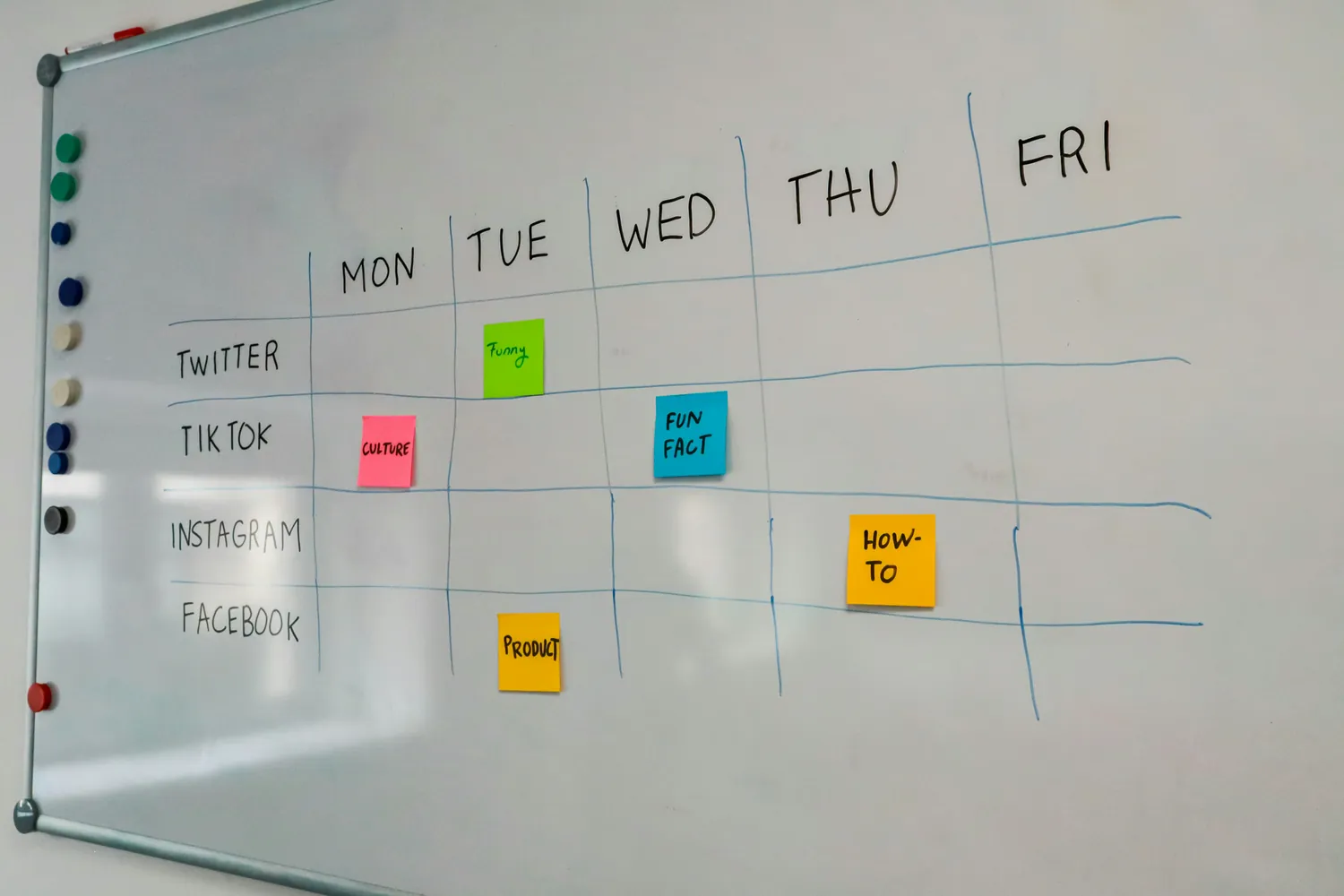
Routine check-ins, whether weekly, bi-weekly, or monthly, provide opportunities for managers and team members to touch base, discuss progress, align on goals, and address any emerging issues. They help in creating a culture of transparency and accountability, ultimately fostering an environment where teams can thrive.
The Benefits of Structured Check-Ins
The benefits of routine check-ins extend far beyond simply keeping track of tasks. They serve as a catalyst for improving several key aspects of team dynamics and productivity:
- Improved Communication: Regular check-ins ensure that team members are kept in the loop about ongoing projects and future plans. This helps prevent misunderstandings and information silos.
- Enhanced Accountability: When team members know they will be reporting their progress regularly, they are more likely to stay on track and meet deadlines.
- Increased Motivation: Recognizing achievements and setting clear expectations during check-ins can significantly boost morale and motivate team members to perform better.
- Early Problem Detection: Routine check-ins provide a platform for identifying potential roadblocks early on, allowing teams to address issues before they escalate.
Case Study: Tech Innovators Inc.
Consider Tech Innovators Inc., a mid-sized software development company. They implemented weekly check-ins where team leads would meet with their teams every Monday morning. During these sessions, each member would update the group on their progress, outline challenges, and set goals for the week.
This practice resulted in a noticeable uptick in productivity metrics. Projects were completed faster, communication improved across departments, and employee satisfaction scores increased by 15% in the first quarter after implementing this system.
Designing Effective Check-In Processes
For routine check-ins to be effective, they need to be well-structured and purpose-driven. Here are some steps to design an efficient check-in process:
1. Define Clear Objectives
Every check-in should have specific goals. Whether it's to track progress, solve problems, or plan ahead, having clear objectives helps keep the meeting focused and productive.
2. Set a Consistent Schedule
Consistency is key. Whether you choose a weekly or bi-weekly cadence, sticking to a regular schedule helps build a routine that team members can rely on.
3. Prepare an Agenda
An agenda ensures that all necessary topics are covered during the meeting. It also provides a structure that keeps the discussion on track and prevents time from being wasted on tangents.
4. Encourage Open Dialogue
Create an environment where team members feel comfortable sharing their thoughts, concerns, and ideas. This openness can lead to innovative solutions and stronger team cohesion.
Tools and Technologies for Enhanced Check-Ins
Leveraging technology can greatly enhance the effectiveness of routine check-ins. Tools like Trello, Asana, or Slack facilitate easy tracking of tasks and streamline communication among team members. Additionally, video conferencing tools such as Zoom or Microsoft Teams are invaluable for remote teams needing face-to-face interaction without the geographical constraints.
Example: Global Solutions LLC
Global Solutions LLC, a consulting firm with teams spread across different continents, utilizes Slack integrated with Zoom for their weekly check-ins. Despite time zone differences, team members can collaborate effectively through asynchronous updates posted on Slack channels before the live Zoom meetings.
This combination has led to a more cohesive workforce with enhanced collaboration between dispersed teams. Productivity reports show a 10% improvement in project turnaround times within the first six months.
The Role of Leadership in Successful Check-Ins
The success of routine check-ins largely depends on leadership. Managers need to lead by example, actively participating in these sessions, providing feedback, and making sure everyone feels heard.
The Empathetic Leader's Approach
An empathetic leadership approach during check-ins involves actively listening to team members' concerns, celebrating small wins, and offering support when needed. This not only strengthens the leader-team relationship but also fosters an environment of trust and respect.
Challenges and How to Overcome Them
No process is without its challenges. Routine check-ins may encounter resistance initially due to perceived added workload or fear of micromanagement. To overcome these obstacles:
- Communicate Value: Clearly communicate the benefits of regular check-ins to the team. Ensure they understand how these sessions contribute to both individual and collective success.
- Avoid Micromanagement: Emphasize that check-ins are not about micromanaging but rather about supporting one another and ensuring alignment towards shared goals.
Conclusion: Transforming Productivity Through Routine Check-Ins
The implementation of routine check-ins can be transformative for team productivity when executed thoughtfully. They foster improved communication, greater accountability, and a shared sense of purpose among team members. By designing structured processes and leveraging appropriate technologies, businesses can harness the full potential of these sessions to drive productivity improvements across all levels of the organization.
Related
- Entrepreneurship
The Role of Intellectual Property in Startup Success Strategies
The Importance of Intellectual Property for Startups In today's competitive business landscape, intellectual property (IP) has become a cruc…

- Entrepreneurship
Understanding the Balance Between Risk and Reward in Business Scaling Strategies
The Delicate Art of Scaling a Startup Scaling a startup is a double-edged sword. On one side, there is the allure of rapid growth and market…
- Productivity
Strategies for Integrating Time Management into Team Workflows Successfully
Effective Time Management Techniques for Teams In the realm of business and career, mastering time management is essential for any team aimi…

- Interviews
How to Develop Customized Interview Questions for Remote Candidates
Understanding the Unique Challenges of Remote Work Remote work introduces a distinct set of challenges and opportunities that necessitate a…

- Interviews
benefits and challenges of different interview styles for recruiters
Understanding Interview Styles: Structured vs. Unstructured Recruiters play a pivotal role in shaping the future of an organization by selec…

- Leadership
Ways to Build Stronger Team Accountability Through Leadership Techniques
Understanding Accountability in Team Dynamics Accountability is a crucial element that enables teams to function optimally. It ensures that…