
- Sales
Understanding the Impact of Data Privacy on B2B Sales Enhancements
- By Charlotte Baker
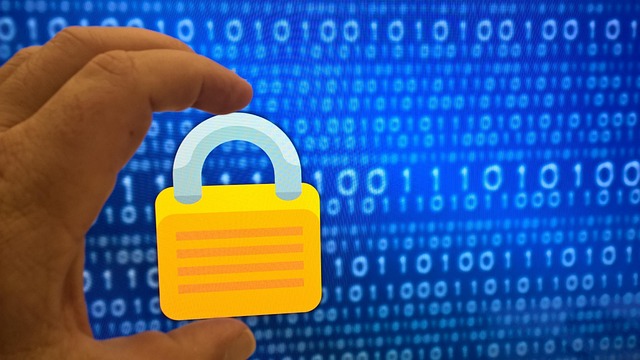
The Role of Data Privacy in B2B Sales
Data privacy has emerged as a crucial consideration for businesses looking to enhance their B2B sales strategies. With increasing amounts of data being collected and analyzed, organizations are realizing the value of using customer data analytics to drive sales. However, the growing focus on data privacy regulations, such as the GDPR and CCPA, requires companies to balance data-driven insights with compliance.
The Importance of Customer Data Analytics
Customer data analytics can provide businesses with valuable insights into buyer behavior, preferences, and decision-making processes. By understanding these elements, companies can tailor their sales approaches to meet the specific needs and expectations of their clients. This personalization can lead to stronger client relationships and increased sales opportunities.
However, the collection and use of this data must be conducted responsibly. Compliance with data privacy laws not only protects customers but also builds trust between companies and their clients. This trust is a critical component of successful B2B relationships.
Successful Implementations: Case Studies
Case Study 1: Tailored Product Recommendations
A leading software provider implemented a data-driven strategy to enhance its B2B sales. By analyzing purchase history and product usage data, they were able to create tailored product recommendations for each client. This personalization improved engagement rates and resulted in a 30% increase in cross-sales over six months.
To maintain compliance, they ensured that all data was anonymized before analysis and obtained explicit consent from clients to use their data for this purpose. By aligning their strategy with privacy laws, they were able to maintain client trust while benefiting from enhanced sales outcomes.
Case Study 2: Predictive Sales Analytics
An industrial equipment manufacturer used predictive analytics to forecast future buying behaviors based on past transactions. This allowed their sales team to proactively approach clients with offers tailored to their predicted needs, improving conversion rates by 25%.
However, the implementation involved clear communication with clients about data usage policies and offered them options to opt-out if desired. This transparency was crucial in ensuring compliance and maintaining client relationships.
The Trade-Offs Involved in Data Privacy
While data-driven strategies offer numerous benefits, they come with trade-offs that businesses need to consider:
- Compliance Costs: Implementing systems that comply with data privacy laws can be costly. Businesses must invest in technologies and processes that protect customer data.
- Limited Data Usage: Strict data privacy regulations may limit the type of data that can be collected or how it can be used. Companies must find innovative ways to extract meaningful insights while adhering to these limitations.
- Client Trust vs. Data Insights: Building client trust through transparency and compliance can sometimes reduce the depth of data insights available to the business. Finding a balance is key.
Best Practices for Balancing Privacy with Sales Enhancement
Companies can adopt several strategies to leverage data analytics while ensuring privacy compliance:
- Transparent Communication: Clearly communicate with clients about what data is being collected and how it will be used. Offering them control over their data enhances trust.
- Anonymization Techniques: Use anonymization techniques to protect client identities while still extracting valuable insights from the data.
- Regular Audits: Conduct regular audits of data management practices to ensure ongoing compliance with changing regulations.
Conclusion: Crafting a Responsible B2B Sales Strategy
As businesses continue to harness the power of customer data analytics, it is imperative that they do so responsibly. Balancing the need for insightful data with stringent privacy requirements can be challenging but is essential for maintaining trust and achieving sustainable sales success in the B2B space.
The future of B2B sales lies in effectively merging personalized client interactions with robust privacy practices. By learning from successful case studies and implementing best practices, businesses can navigate the complexities of data privacy while driving meaningful sales enhancements.
Related
- Entrepreneurship
The Role of Intellectual Property in Startup Success Strategies
The Importance of Intellectual Property for Startups In today's competitive business landscape, intellectual property (IP) has become a cruc…
- Entrepreneurship
Understanding the Balance Between Risk and Reward in Business Scaling Strategies
The Delicate Art of Scaling a Startup Scaling a startup is a double-edged sword. On one side, there is the allure of rapid growth and market…
- Productivity
Strategies for Integrating Time Management into Team Workflows Successfully
Effective Time Management Techniques for Teams In the realm of business and career, mastering time management is essential for any team aimi…

- Interviews
How to Develop Customized Interview Questions for Remote Candidates
Understanding the Unique Challenges of Remote Work Remote work introduces a distinct set of challenges and opportunities that necessitate a…

- Interviews
benefits and challenges of different interview styles for recruiters
Understanding Interview Styles: Structured vs. Unstructured Recruiters play a pivotal role in shaping the future of an organization by selec…

- Leadership
Ways to Build Stronger Team Accountability Through Leadership Techniques
Understanding Accountability in Team Dynamics Accountability is a crucial element that enables teams to function optimally. It ensures that…